Monthly Archives: July 2012

Mate o Nada! (Mate or Nothing)
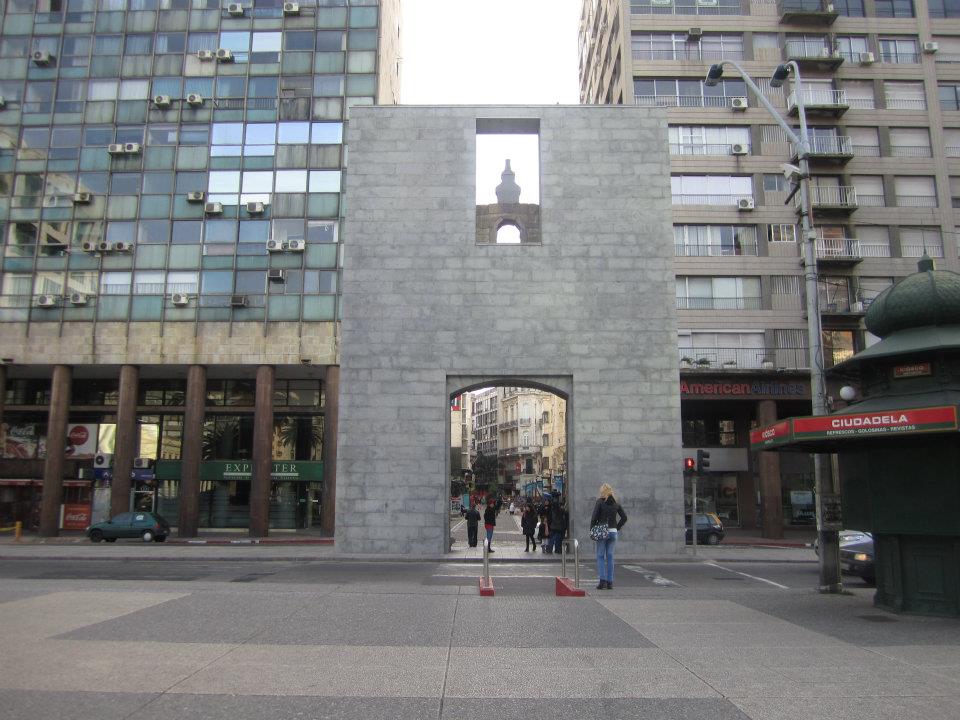
Uruguay was my last stop in the 6 weeks tour of South America. I wasn’t expecting too much here but was inspired by the lovely people of Uruguay. I took the ferry from Buenos Aires to Colonial, Uruguay. It was an hour ride; I used Colonial Express ferry service instead of the Busquebus ferry service. Colonial express was half the price of Busquebus. I spent about four hours exploring Colonial – it would be such a nice city in the summer. Then I took the 2.5hours bus to Montevideo.
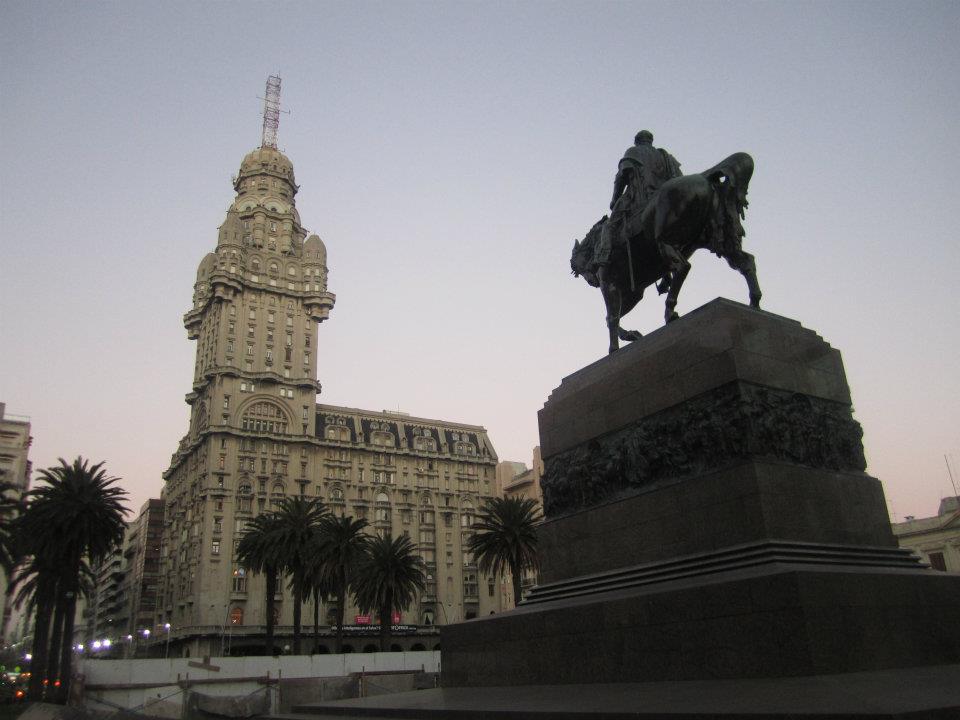
Immediately, I fell in love with Montevideo. The city is not fancy or big like Buenos Aires but it is pretty in its own way. The people are much nicer as well. I stayed in a really great hostel – Impeccable Hostel- very close (2 blocks) to the Plaza independencia and the old city.
One thing you would notice in Uruguay is the love for Mate. Mate is a drink made from loose leaves. Everybody (well almost) had a flask of hot water and mate in their hands on the street of Montevideo.
I took my time exploring the city; I had 6 days here so I wasn’t in a rush. I also frequented local bars with some folks from Montevideo. One night we tried going salsa dancing but ended up in a techno club (I’m not a fan).


The coolest thing was I met two Nigerians on the street of Montevideo. I enjoy meeting Nigerians whenever I travel.

Buena ONDA (Good Vibes)
The 18 hours bus from Santiago, Chile to Cordoba, Argentina was pleasant. Cordoba is an okay city, you only need a day or two there if you are not into winter sports. I met two Chilean sisters and together we explored Cordoba. The most interesting museum I visited was the Women’s Museum. After two nights here and I left for Puerto Iguazú – the city that house the amazing waterfalls. The plan was to stay one night in Puerto Iguazú but that changed. The bus from Cordoba to Iguazú was 20.5 hours. This meant that I arrived in Iguazu at 8.30am the next morning. I dropped my bags at the hostel and went straight to the Iguazú waterfalls.

The waterfall is simply amazing. You really have to experience it. The pictures I took don’t quite capture this spectacular view. For reasons I don’t know, at the falls, a lot of folks asked to take a picture with me. I agreed and sometimes requested to use my camera as well. I explored the park for about 4 hours then decided to go see the Brazilian side of the falls. The Brazilian side is only 45 minutes away and the bus cost $2. However I couldn’t cross into Brazil because I didn’t have a visa – Sad. I went back to town, decided against staying the night and took the bus to Buenos Aires instead. The bus ride was almost 18 hours to Buenos Aires. At the end of the trip, I was TIRED – I stayed in bed (in Buenos Aires) for 1.5 days.
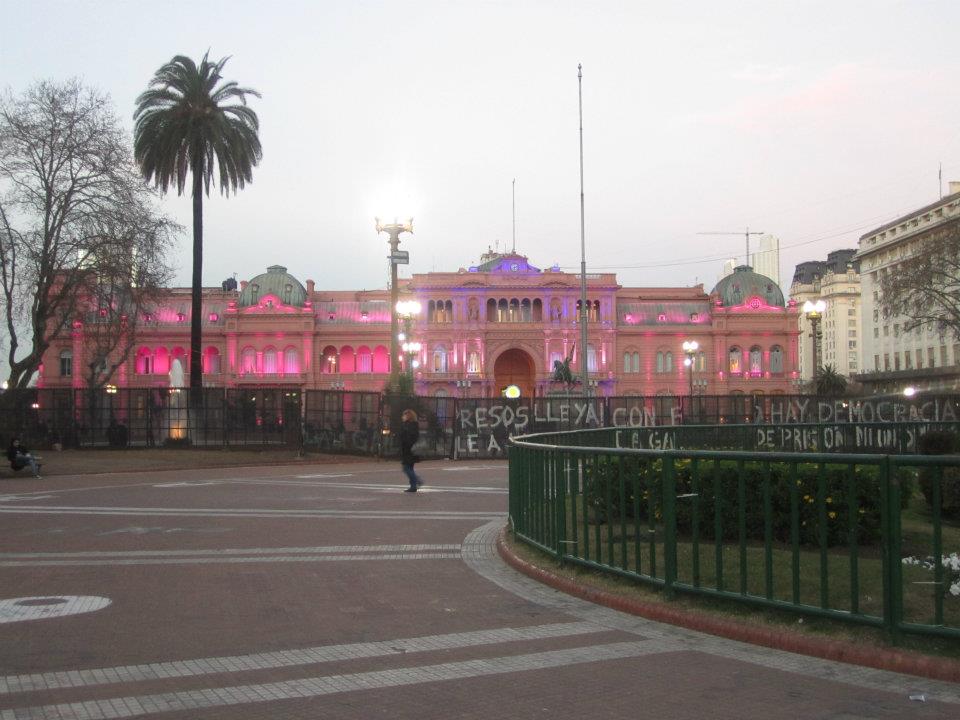
For me, I think Buenos Aires is an overrated city. Yes it’s huge and different neighborhoods offer different things but I failed to see the big deal about Buenos Aires. Yes they eat lots of steak so does people in Texas. In my opinion, you will find more delicious steak in Texas! My favorite neighborhoods in Buenos Aires are San Telmo and Downtown. San Telmo is the old city so there you will find old buildings and the likes. I’m obsessed with old cities! There was something about the Downtown area I loved.
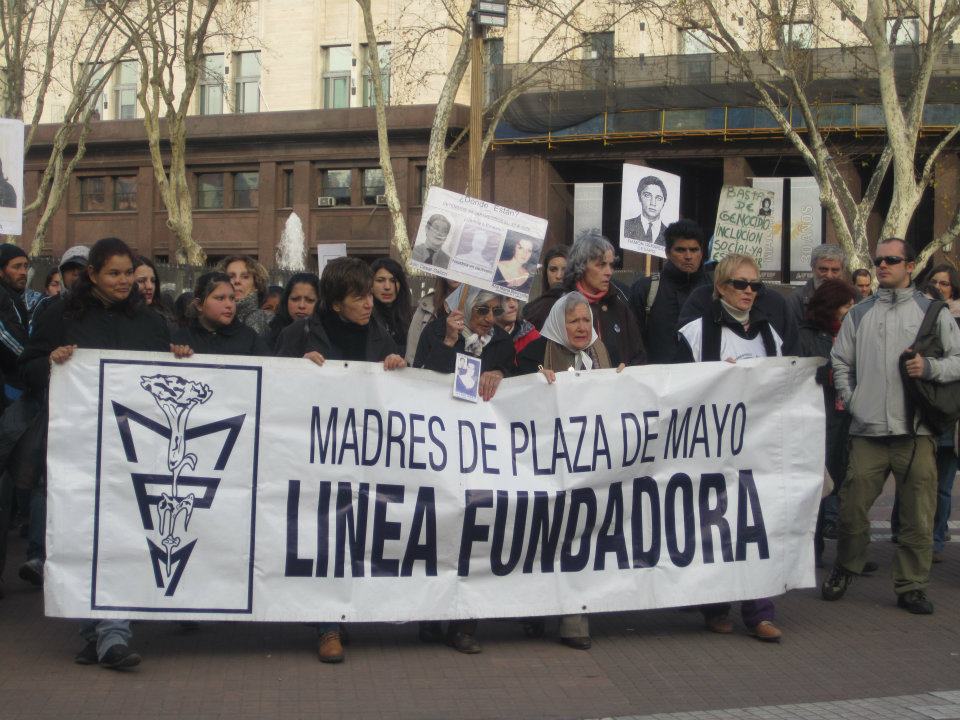
I got the opportunity to see ‘Las Madres de Plaza de Mayo’ (The mothers of the Plaza de Mayo) in action. The mothers of the plaza began its activism during the ‘dirty war’ in Argentina where many people disappeared without a trace.
Another interesting thing I did was to hang out with a few Afro-Argentines and Afro-Uruguayan folks. A lot of us have been told that Argentina is the most European country in Latin America and that there are no Blacks or Indigenous persons. Well that is false!!!! There exist Afro-Argentines – that is descendants of the Africans that were brought to Argentina to be enslaved during the slavery period. The population of Afro-Argentines is not as large as that in Brazil or Colombia but they exist and also there are organizations that represent their interest. I visited one of the organizations –Movimiento Afro-Cultura.

I left Buenos Aires after 5 days for Uruguay.

The Battle of the Pisco!

I arrived in San Pedro de Atacama tired but eager to find out what Chile holds for me. The little town is different, there is something about it that I can’t pin point. The buildings are rusty looking; pictures cannot capture this town- you simply have to see it yourself. It is a very small town so it is possible to run into people you met while in Bolivia. That’s exactly what I happened to me, I ran into a few of the folks I met during my 3 days tour of the Salt Lake in Uyuni, Bolivia. It was great to see familiar faces, so we hung out for dinner and drinks before going our separate ways the next day.
The weather is okay in Atacama, during the day it’s sunny but pretty cold at night. Lots of tourist in town and everything is Expensive. It is advisable to have extra foreign currency (Dollars/Euros/Pounds) with you because there is a high probability the 2 ATMs in town might not work or run out of money. There are possibilities of all sorts of tours here – from sand boarding to star watching. You wouldn’t be bored in Atacama.
I did not do any of the tours, way too tired from the Salt Lake tour so I hung out for a day and left for Santiago.
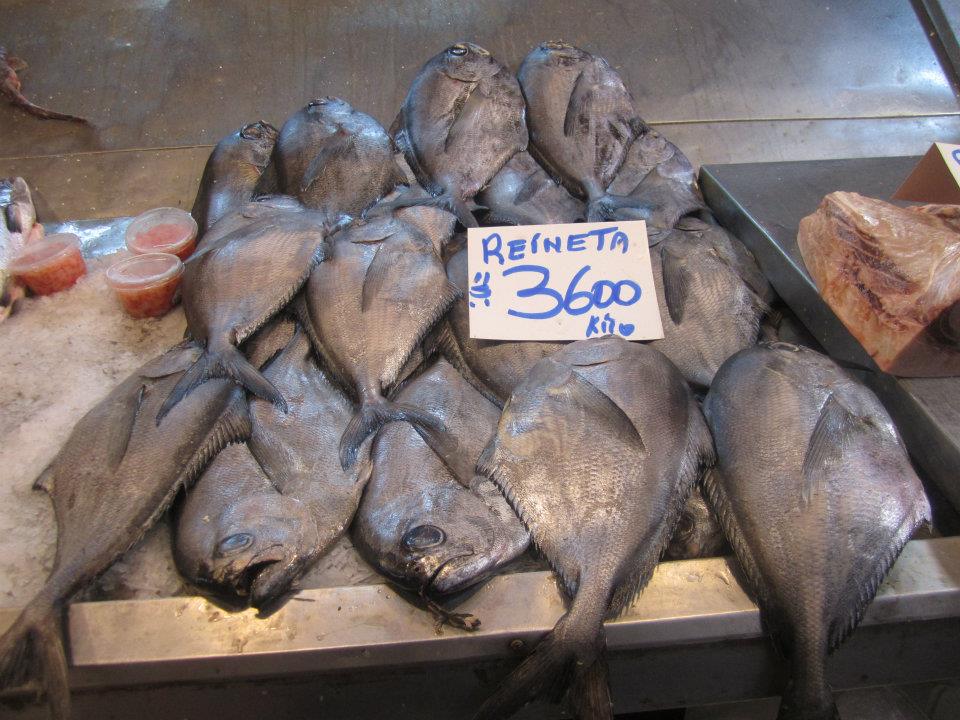
The buses are so expensive in Chile; I paid $80 for my bus ride to Santiago. Santiago is nice but cold; it was an average of 12C/52F during the day and 7C/44F at night. The problem is that, there’s no heating so the hostel was freezing. Had just 2 days in Santiago, apart from the Plaza de armas, I visited the Mercado de Pescado (Fish Market) and Cerro San Cristóbal. The fish market also known as Mercado central have lots of restaurants that served a wide range of sea food. Shop around as some of the restaurants are overpriced. The Cerro San Cristóbal gives you a panoramic view of Santiago.
One thing I really disliked about Chile is the manners of some of their men. I know it is common in a lot of countries for men to pass comment to females walking on the street. In Santiago, I got a lot of comments like ‘Ven conmigo amor negrita’ (come with me black lover), hola morena guapa (hello pretty black girl), ay negra (hi black girl) & so on. Also, I got a lot of stares. Very uncomfortable!

Here there are 2 banks, but the ATM in one of the banks is out of service making this the only functioning one. There is always a long line. On this day, money ran out of the ATM. So be safe, have some dollars/euros/pounds/pesos with youI took the 16hours bus ride with Tur Bus to Cordoba, Argentina. Tur Bus is very professional and cool. They serve you food, I guess the USD$50 I paid was worth it. The ride to the border was very beautiful. Looking forward to Argentina, before this, I’ve met really cool folks from Argentina on the trip.
As for the title, apparently Peruvians and Chileans always argue on which countries invented the Pisco and who have the best Pisco. Pisco is an alcoholic drink typical in Peru and Chile. I’ve tried both the Pisco from Peru and that from Chile. If you ask me who have the best Pisco, I’ll happily say PERU!!!!!!! Well whenever you are in Peru and/or Chile, make sure to try Pisco or Pisco Sour

Illegal in Bolivia
Bolivia is cheaper than Peru. Taxis are also cheap – about 10-15 Boliviano (USD$1 = 6.7Bolivano) for a 20-30minutes ride. Copacabana was my first stop in the country, much nicer than Puno in Peru. I did the half a day tour of sun Island. This island is so beautiful; hiking up the island was not easy. Some old guy I met on the boat happily gave me the tour of the Island. He explained the difference between the Sun Temple and the Palacio de Inca. The former is a spiritual journey while the later is physical structure with great significant for the Incas. The food in Copacabana is not so great.

La Paz was fun. I stayed with a couchsurfer in Miraflores part of town. I went winter shopping in La Paz in a market called La Feria del Alto. I needed winter clothing for my upcoming visit to Salar de Uyuni (Salt Lake). I got a winter jacket, thermal base layers (top & bottom), sweater, leg warmer, winter hat & pants and socks 200Bolivaros (USD$30)– cheap, right? And the winter jacket is Ralph Lauren.
I left La Paz after 2 days for an Afro-Boliviano town in the Yungas region. The town is called Tocaña – about 3hours from La Paz. To get there, you have to go through the ‘Death Road’; it is called this because it has the highest number of death (caused by accidents) in the world. Well I made it up and down the death road. The road to this village is not paved. The houses are sparely located on the steep hill and there’s abundant of forests in between houses. I had fun in Tocaña, the people in the community were very pleasant.

The tour was amazing. I had a great group (there are 6 people in the group) and we had fun. The weather was freezing – sometimes below 0 with no heating. On the first day, we visited the train wreck, the salar and isla pescador (fish island). By the way, it wasn’t an island nor did it have any fish.

On the second day, we visited some volcanoes and 3 lagoons. It was warm during the day but extra freezing as soon as the sun went down. The hotel we placed in was very basic compared to the first night. On the first night, we placed at this really cute place made from salt. There was no floor made of cement, instead the floor was salt. All six folks from your group stayed in the same room. On the third day, we went to a thermal springs – a pond of very hot water in the middle of a very cold place. Amazing but I did not dare go into the hot springs because of the freezing weather one would experience as soon as you come out from the hot springs. After this, I changed jeep so I could transfer to Chile.
Things you need for the 2 or 3 or 4 days tour of Salar de Uyuni:
Very warm clothing – wool everything: socks, hat, sweater, thermal base layers, a real winter jacket, wet wipes (it is almost impossible to take a shower, so you need this), toilet paper (bring your, the hotel/hostel never have one), enough cash (there is no ATM or Casa de cambio) and medicine for attitude sickness – the elevation go up to 5800. I paid 800Bolivianos but I met others than paid 580Bolivaros, so give yourself a few hours or even a day to shop around for a good price – there are 80 tour agencies in Uyuni.


 The Adventures of a Nigerian-American